
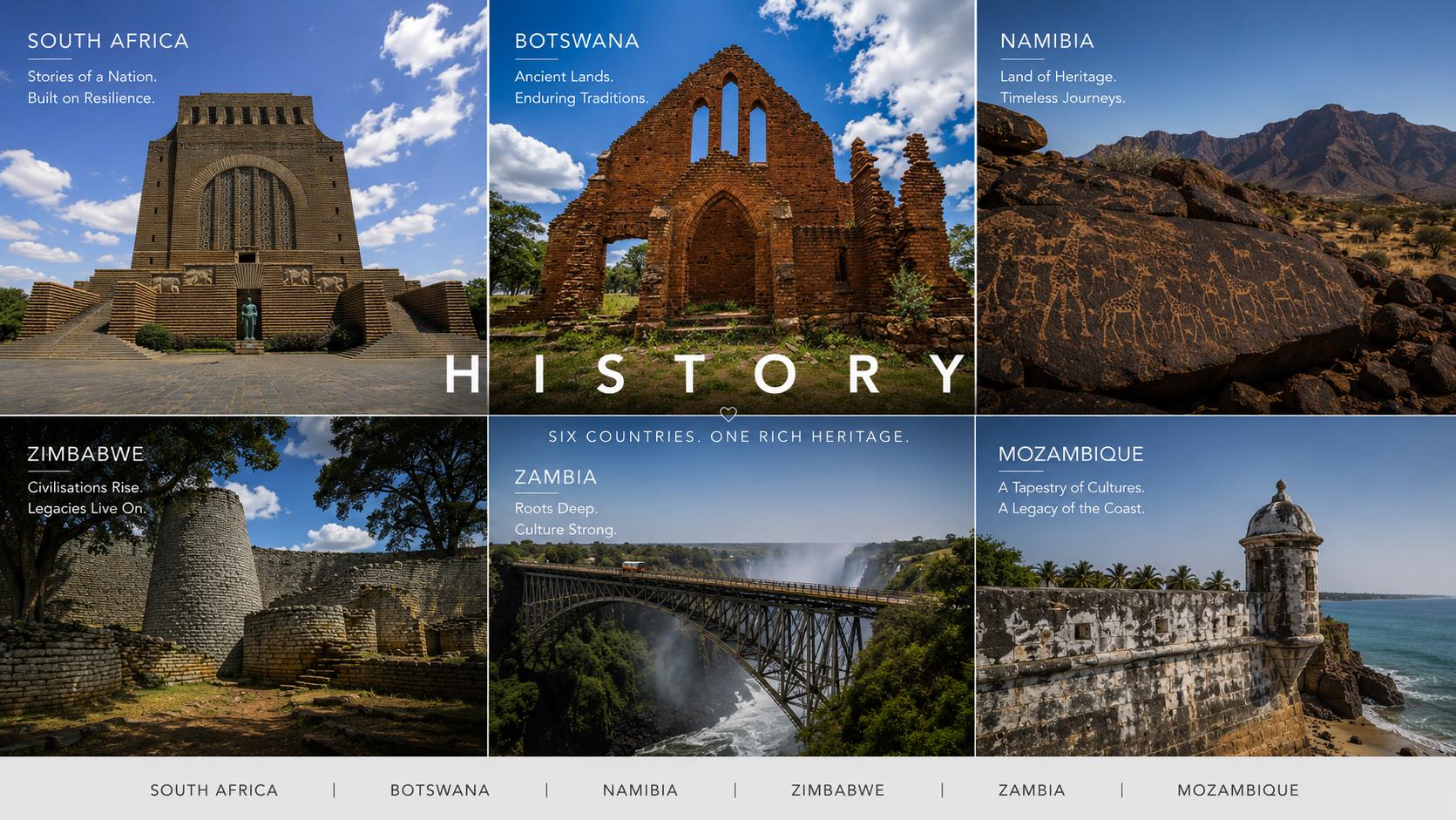
History in Southern Africa
South Africa offers a remarkable historical journey, shaped by thousands of years of human heritage, diverse cultures, and significant events. From ancient rock art and archaeological sites to heritage museums, historic battlefields, cultural landmarks, and places central to the country’s journey to democracy, history comes alive through authentic experiences across the nation. Carefully preserved and celebrated, these remarkable sites offer travellers a deeper understanding of South Africa’s rich and diverse past while connecting them to the people, traditions, and stories that continue to shape the country today.
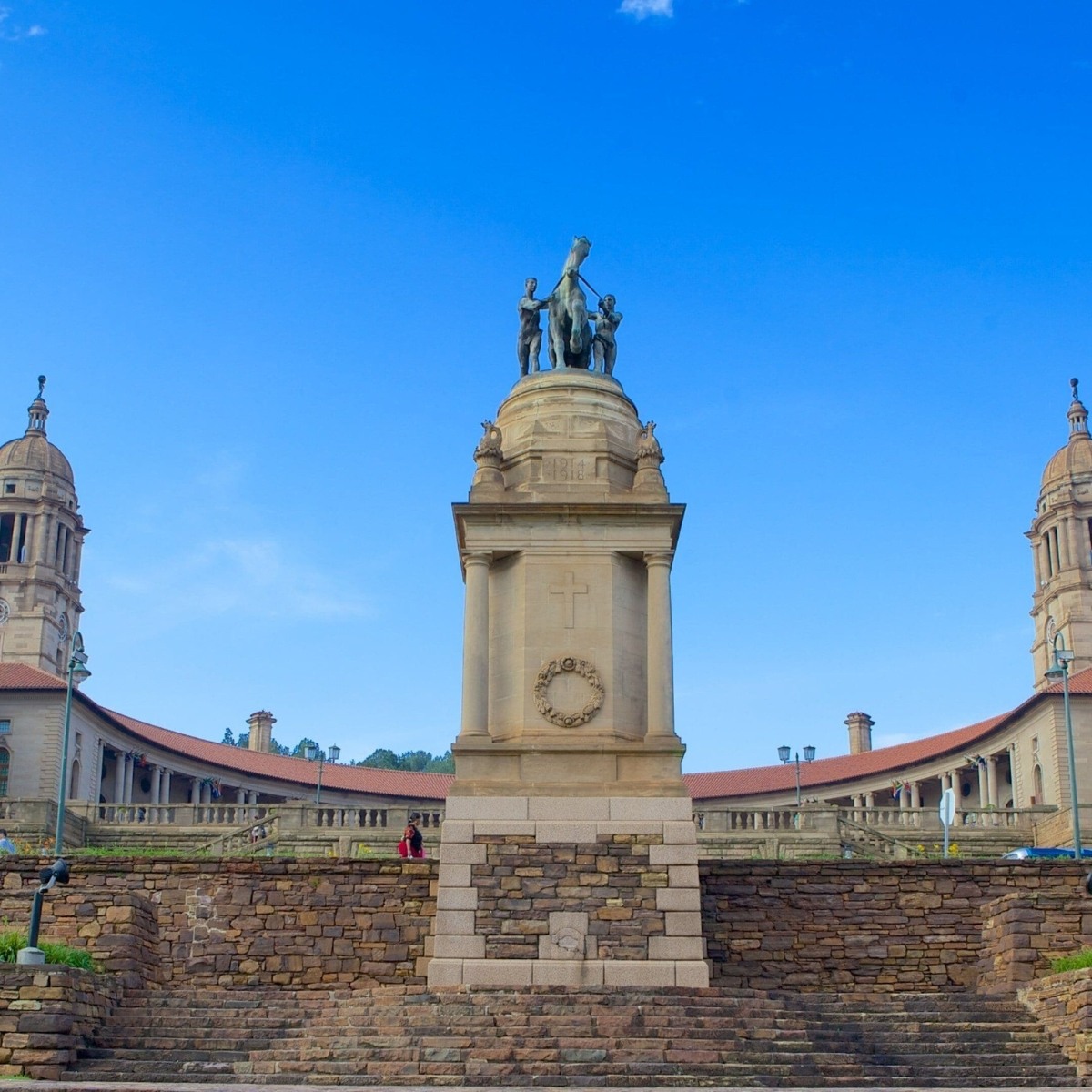
South Africa has a rich and complex history shaped by ancient indigenous cultures, European settlement, colonial conflict, and the struggle for freedom. The San and Khoi people were among the earliest inhabitants, followed by powerful African kingdoms and communities such as the Zulu, Xhosa, Sotho, and Tswana. European settlement began with the Dutch at the Cape in 1652, later followed by British rule. The discovery of diamonds and gold in the 19th century transformed the country, but also increased conflict and inequality. In 1948, apartheid became official policy, separating people by race and restricting the rights of the majority. After decades of resistance, South Africa held its first democratic elections in 1994, with Nelson Mandela becoming the country’s first democratically elected president. Today, South Africa is known as the “Rainbow Nation”, celebrated for its diversity, culture, landscapes, wildlife, and spirit of resilience.
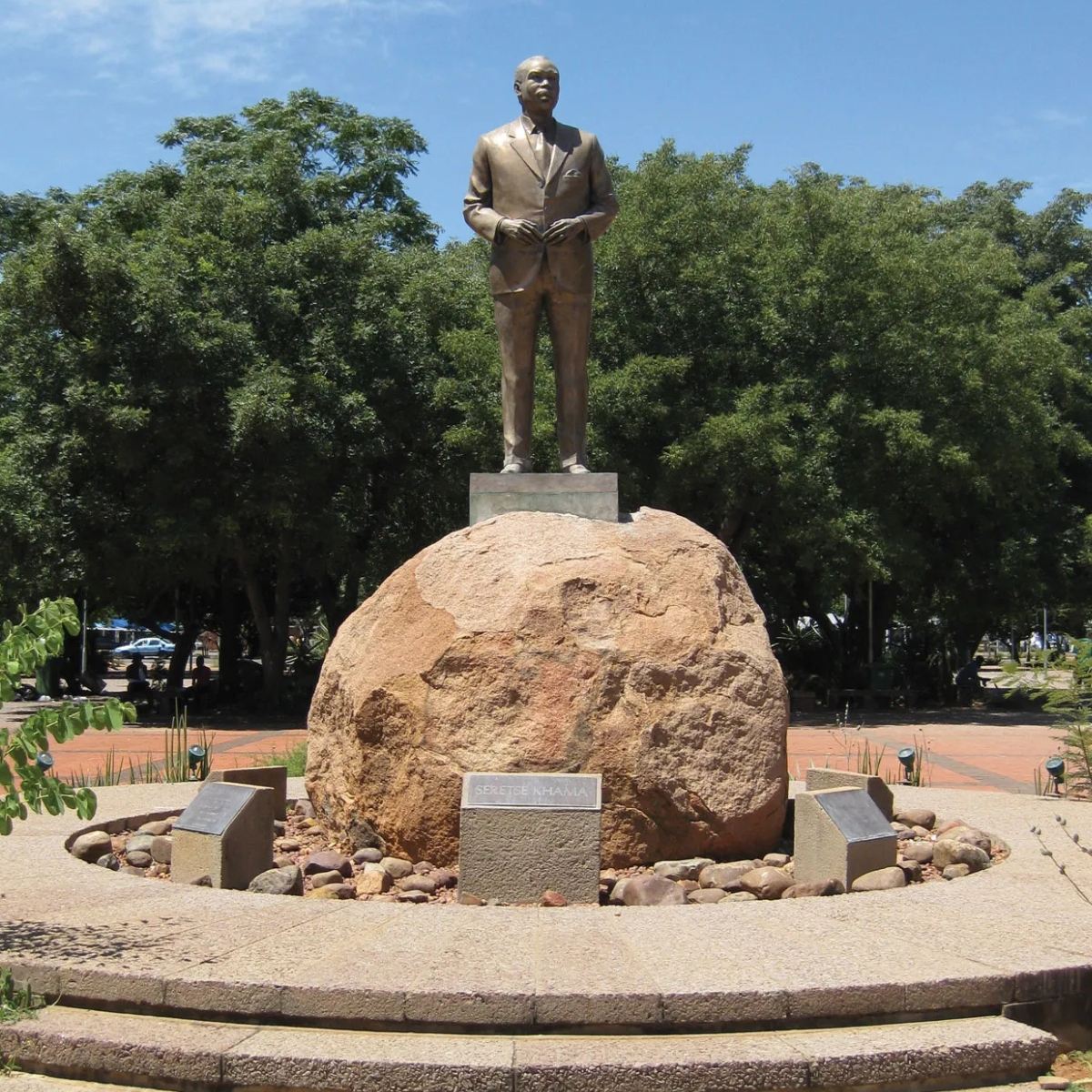
Botswana’s history is deeply connected to the Tswana people, who established strong communities and leadership structures across the region. During the 19th century, the area became known as the Bechuanaland Protectorate under British protection, largely to avoid control by neighbouring colonial powers. Unlike many African countries, Botswana experienced a relatively peaceful transition to independence in 1966. Under the leadership of Sir Seretse Khama, the country developed a stable democracy and used its diamond resources to support growth, education, and infrastructure. Today, Botswana is one of Africa’s most stable countries and is internationally respected for conservation, low-impact tourism, and iconic wilderness areas such as the Okavango Delta and Chobe National Park.
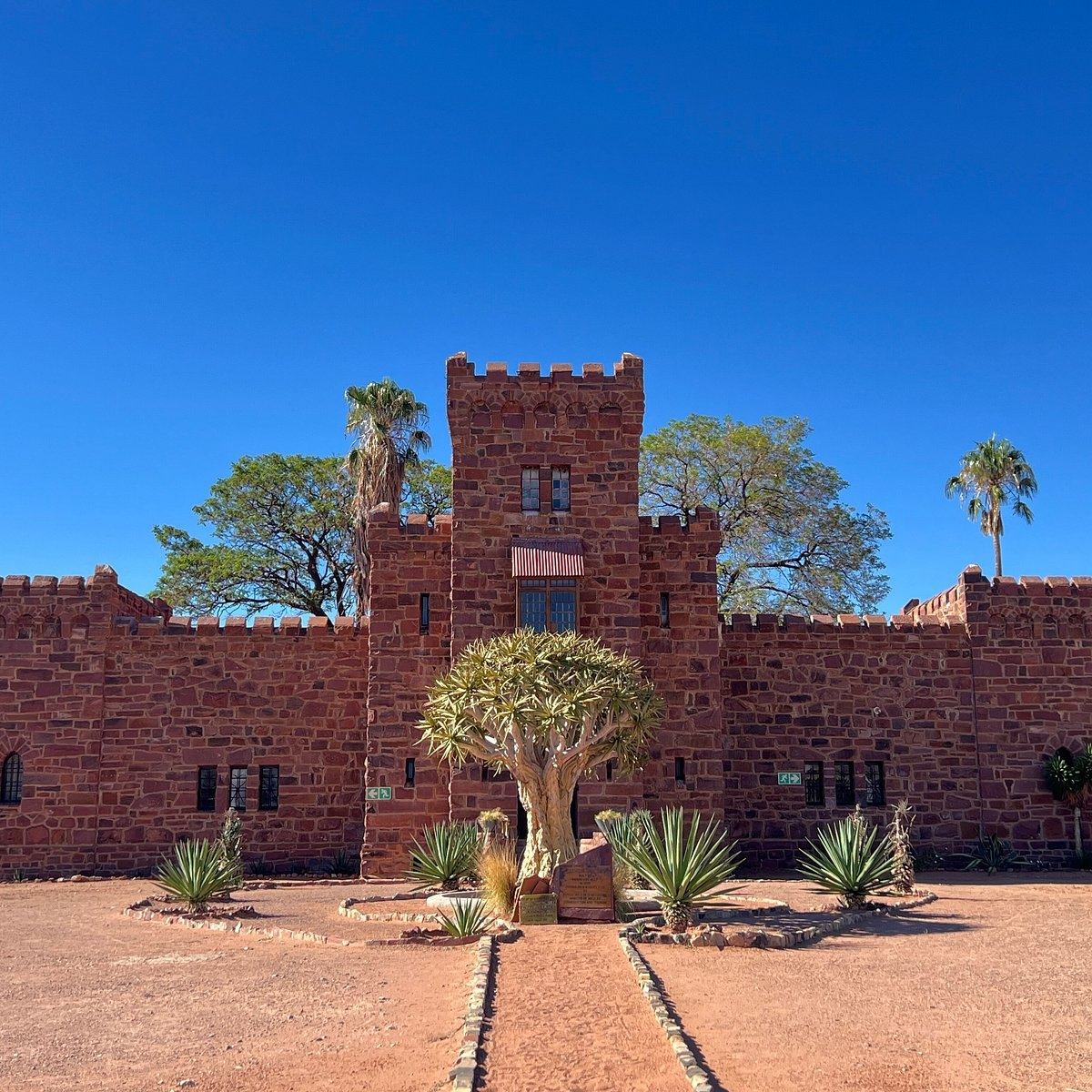
Namibia has a long history of indigenous communities, including the San, Nama, Damara, Herero, Himba, and Ovambo people. In the late 19th century, it became a German colony known as German South West Africa. This period was marked by hardship and conflict, including the tragic Herero and Nama genocide. After the First World War, Namibia came under South African administration, and apartheid policies were later imposed. The struggle for independence was led mainly by SWAPO, and after many years of resistance, Namibia became independent in 1990. Today, Namibia is known for its dramatic desert landscapes, ancient cultures, vast open spaces, and unique wildlife adapted to the harsh desert environment.
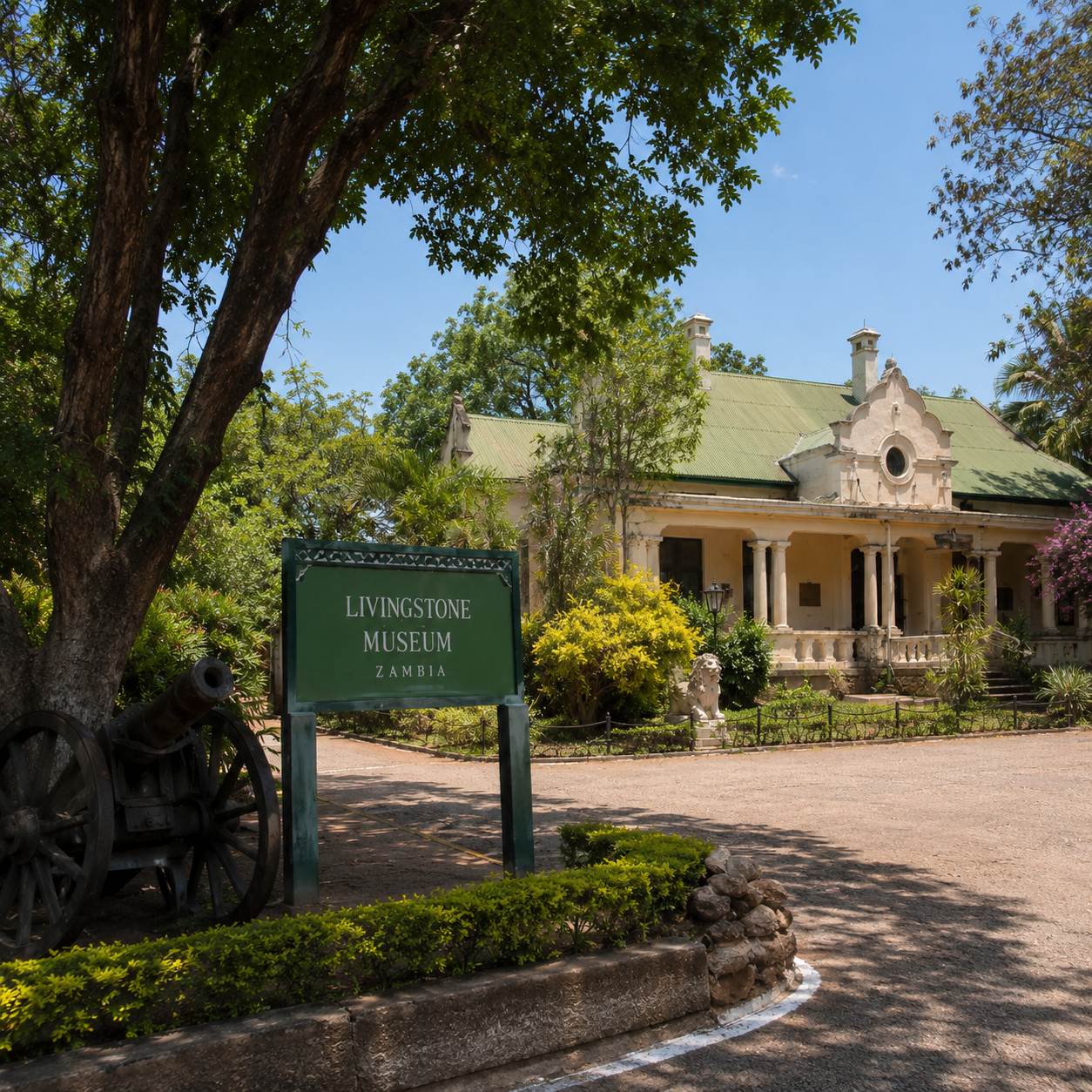
Zambia’s history is shaped by ancient trade routes, migration, and powerful African communities, including the Bemba, Lozi, Tonga, Ngoni, and many others. During the colonial period, the country was known as Northern Rhodesia under British rule. The discovery of copper made the region economically important, especially in the Copperbelt. Zambia gained independence in 1964 under the leadership of Kenneth Kaunda, becoming a key supporter of liberation movements across Southern Africa. Today, Zambia is known for its warm hospitality, rich culture, abundant wildlife, and the magnificent Victoria Falls, locally known as Mosi-oa-Tunya, meaning “The Smoke That Thunders.”
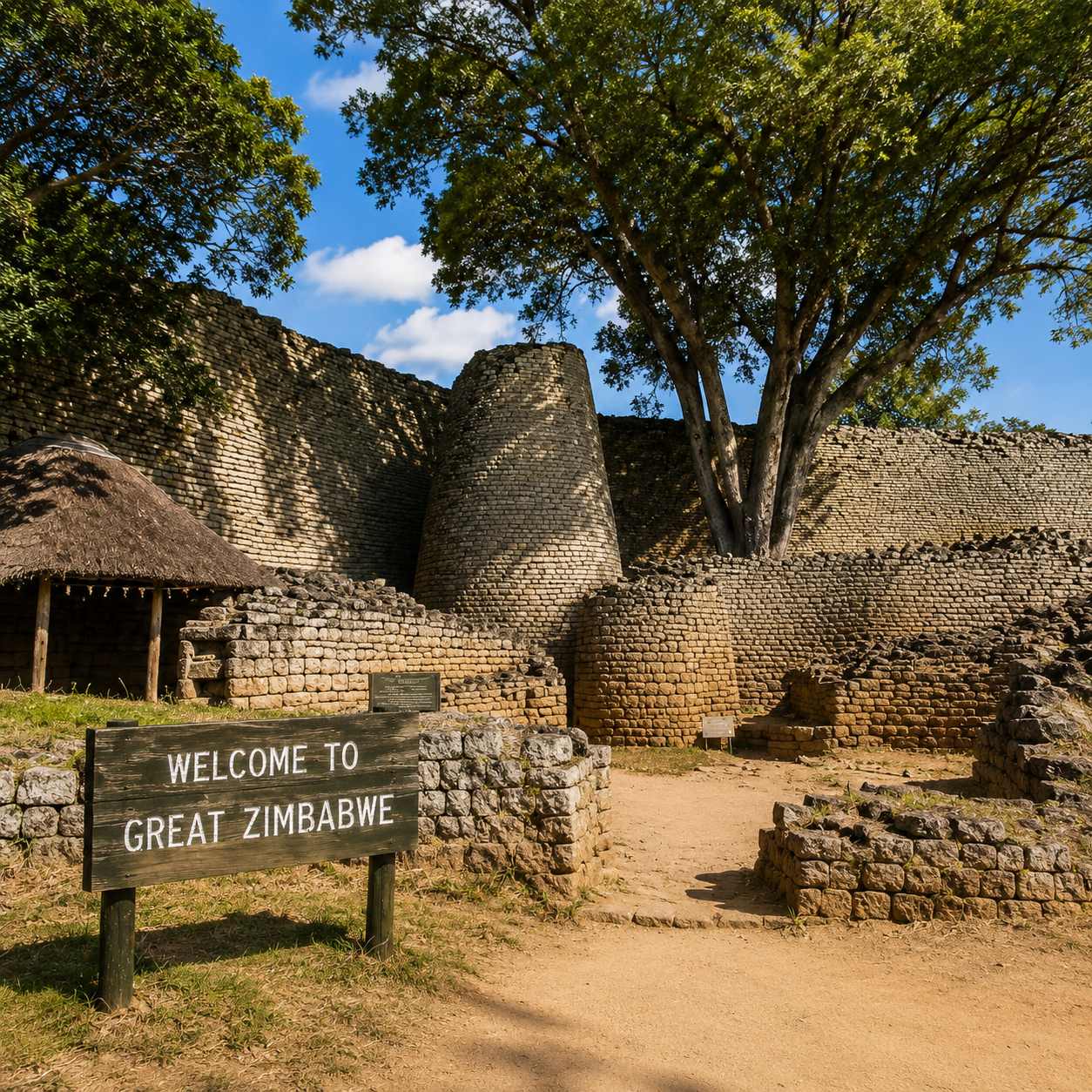
Zimbabwe has a proud and ancient history, most famously represented by the Great Zimbabwe ruins, a powerful stone-built city that was once the centre of a prosperous trading kingdom. The country later became home to various Shona and Ndebele communities, each with strong cultural traditions. During the colonial period, it was known as Southern Rhodesia under British influence. After a long liberation struggle, Zimbabwe gained independence in 1980. The country is known for its historical heritage, dramatic landscapes, wildlife, and iconic natural wonders such as Victoria Falls, Hwange National Park, and the ancient ruins of Great Zimbabwe.
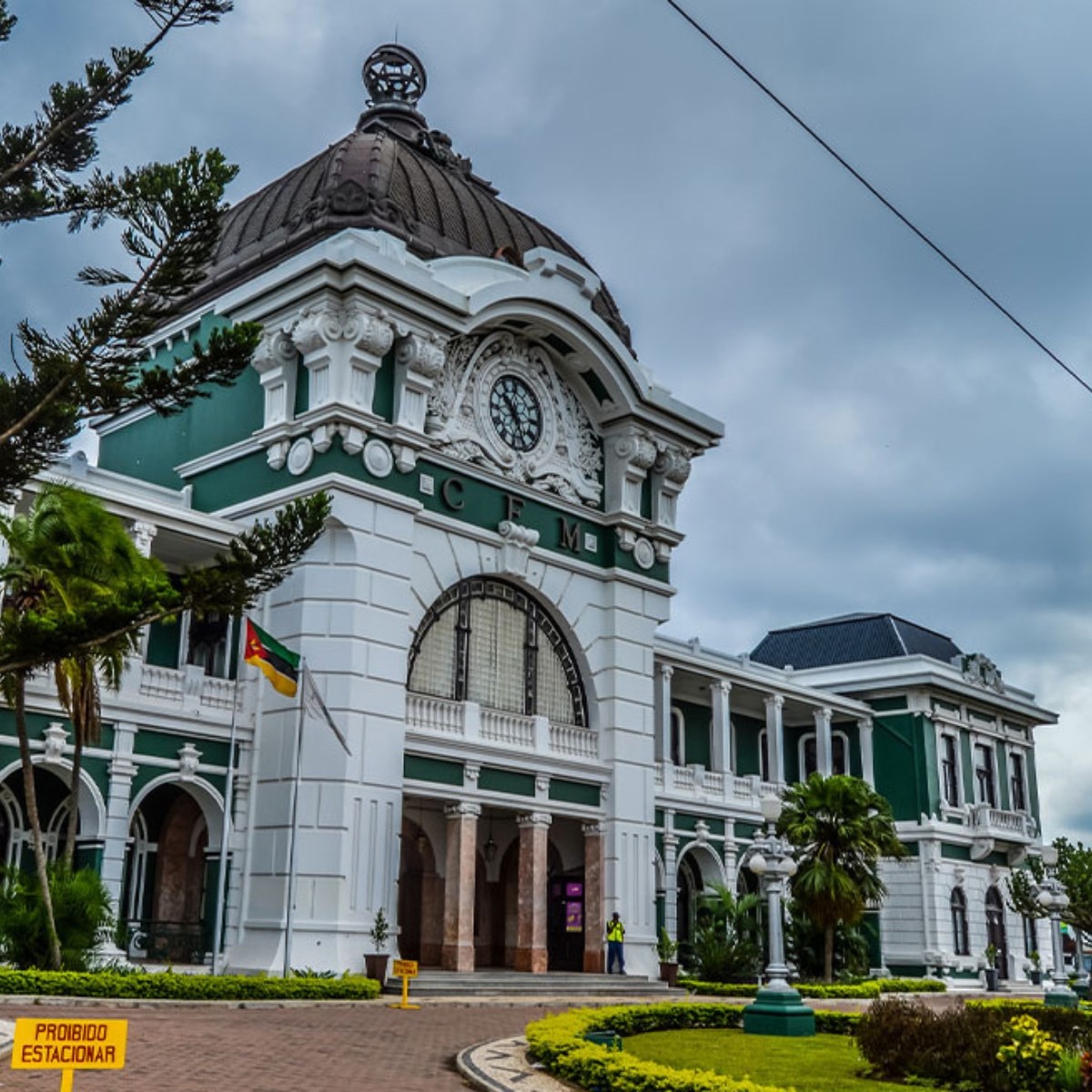
Mozambique’s history has been shaped by African kingdoms, Indian Ocean trade, Arab influence, and Portuguese colonisation. For centuries, its coastline was an important trading route, linking Africa with Arabia, India, and later Europe. Portugal established control over Mozambique from the 16th century, and the country remained under Portuguese rule for several centuries. After a long independence struggle led by FRELIMO, Mozambique gained independence in 1975. The country later experienced civil conflict but has since become known for its vibrant culture, music, cuisine, warm hospitality, and beautiful coastline. Today, Mozambique is especially loved for its Indian Ocean islands, beaches, marine life, and blend of African, Arab, and Portuguese influences.
Together, the gastronomy of Southern Africa offers travellers a true taste of place. Whether enjoying a wine-paired dinner in the Cape Winelands, a boma dinner in the bush, fresh seafood on a tropical island, a traditional meal with a local community, or a private romantic dinner under the stars, every culinary experience adds depth, flavour, responsibility, and emotion to the journey.